Seasonal depression, also known as Seasonal Affective Disorder or SAD, is a recurring mood condition that appears at predictable times of the year, most often during fall and winter when daylight decreases. Symptoms include low mood, fatigue, sleep changes, and reduced cognitive performance.
Interest in complementary strategies for seasonal mood support has expanded in recent years. Functional mushrooms such as Reishi (Ganoderma lucidum), Lion’s Mane (Hericium erinaceus), and Cordyceps (Ophiocordyceps species and Cordyceps militaris) contain compounds investigated for potential effects on stress physiology, neurobiology, inflammation, and energy metabolism. Research remains preliminary, yet biochemical mechanisms suggest areas for further study related to mood regulation.
Biological Mechanisms Relevant to Seasonal Depression
Although clinical research on mushrooms specifically for seasonal depression is limited, multiple mechanisms studied in preclinical and small human trials overlap with pathways implicated in mood disorders. These include:
1. Stress response regulation
Reishi extracts contain triterpenes and polysaccharides studied for potential effects on the hypothalamic pituitary adrenal axis. Dysregulation of this system is associated with depression and seasonal mood variation.
2. Neurotrophic signaling and neuroplasticity
Lion’s Mane contains compounds that stimulate nerve growth factor synthesis in cell and animal studies. NGF influences synaptic plasticity, memory, and neuronal survival. Some mood disorders are linked to reduced neurotrophic signaling.
3. Inflammation and immune modulation
Chronic inflammation has been described in subtypes of depression. Beta glucans and related polysaccharides found in medicinal mushrooms have been investigated for immune-modulating properties, although clinical relevance remains uncertain.
4. Energy metabolism and mitochondrial function
Cordyceps extracts have been linked to increased cellular ATP production in experimental models. Fatigue and reduced energy are key symptoms of seasonal depression.
5. Vitamin D
Vitamin D deficiency is common in individuals experiencing seasonal depression because reduced sunlight lowers endogenous vitamin D synthesis, which plays a role in mood regulation and neuroimmune signaling. Certain mushrooms can produce vitamin D2 when exposed to ultraviolet light, and this process converts ergosterol in fungal cell membranes into ergocalciferol. Studies show that UV-exposed mushrooms can provide vitamin D concentrations comparable to some fortified foods, although bioavailability varies by species and preparation. Supplementation through diet, including properly treated mushrooms, may help support baseline vitamin D intake during winter months.
Reishi and Seasonal Mood Regulation

Reishi has been used traditionally for stress relief and sleep support. Modern research includes small human and animal studies on well-being and stress resilience.
Potentially relevant findings include:
• modulation of cortisol and stress response pathways
• improvements in subjective well-being in small clinical trials
• possible sleep quality improvements in individuals with insomnia or stress related symptoms
Check out these studies for more info:
Preliminary Study of the Applications of Ganoderma Lucidum in Chronic Fatigue Syndrome
Lion’s Mane and Depressive Symptoms
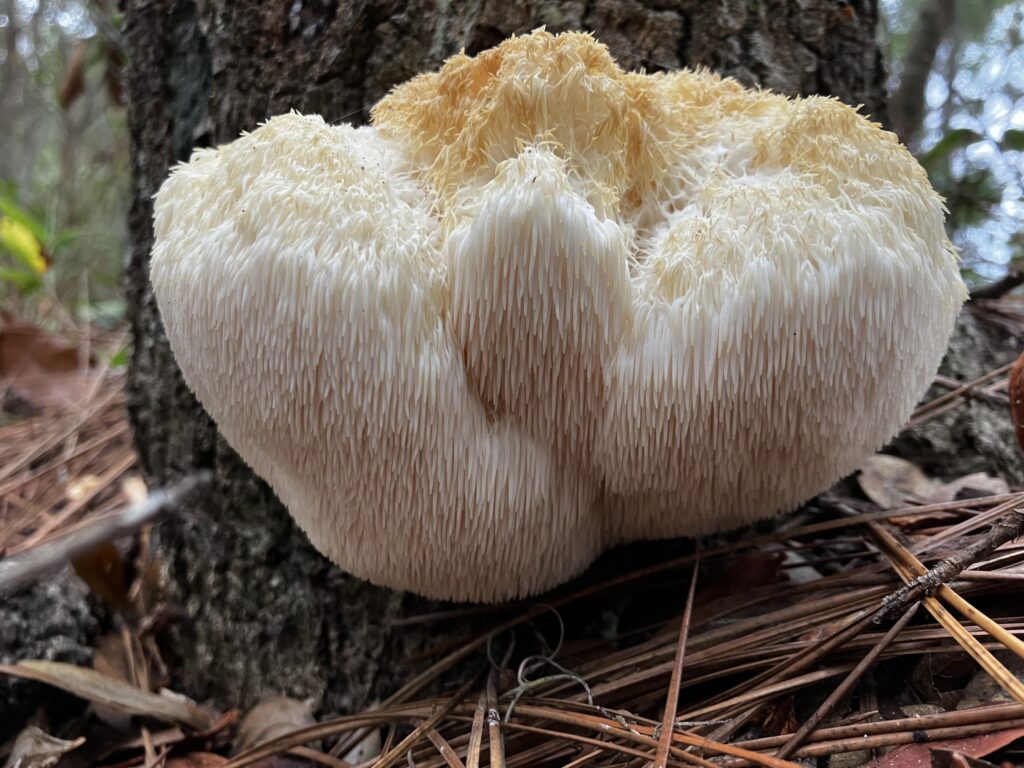
Lion’s Mane has attracted scientific interest because of compounds that stimulate NGF synthesis. Several small human studies report reduced depressive and anxiety scores after daily supplementation lasting four to eight weeks.
Check out these studies for more info:
Reduction of Depression and Anxiety by 4 Weeks Hericium erinaceus Intake
Cordyceps and Energy Regulation in Seasonal Depression
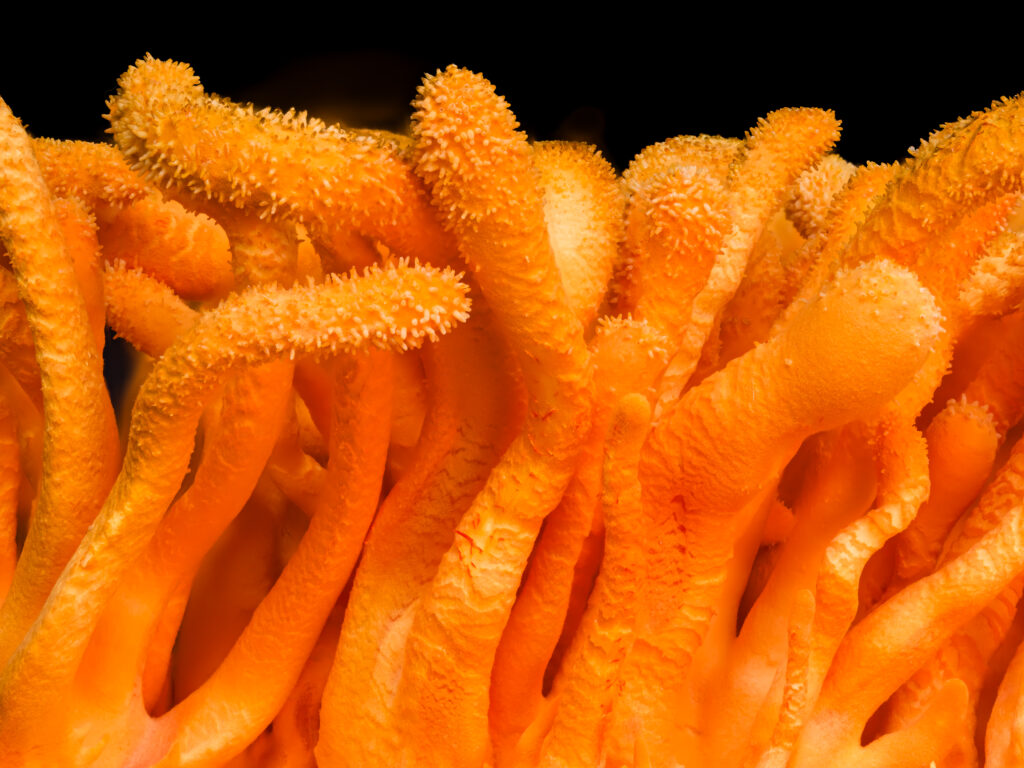
Cordyceps is widely researched in the context of energy metabolism and exercise performance. Fatigue is a major component of seasonal depression. Improved mitochondrial energy production can influence mood through increased energy availability.
While clinical research is limited, we reccomend you check out this study for more info:
Efficacy and Safety of Cordyceps militaris as an Adjuvant to Duloxetine in the Treatment of Insomnia in Patients With Depression: A 6-Week Double-Blind, Randomized, Placebo-Controlled Trial
Conclusion
Functional mushrooms provide biologically active compounds that influence pathways relevant to mood regulation, stress response, neuroplasticity, and cellular energy metabolism. Although preliminary evidence suggests potential mood related benefits for Reishi, Lion’s Mane, and Cordyceps, current clinical data is insufficient to demonstrate efficacy for seasonal depression.
Future research should include standardized extracts, clinically diagnosed SAD populations, and longer intervention periods to evaluate potential therapeutic roles.
FAQ: Functional Mushrooms and Seasonal Depression
Are functional mushrooms helpful for seasonal depression?
Current research does not confirm that functional mushrooms treat seasonal depression, but several species contain compounds studied for stress response, neuroplasticity, inflammation, and energy metabolism. These mechanisms overlap with pathways involved in mood regulation, which is why interest in clinical applications is growing. More controlled trials are needed before conclusions can be made.
Which mushrooms are most researched for mood support?
Reishi, Lion’s Mane, and Cordyceps are among the most studied functional mushrooms. Reishi is investigated for stress response modulation, Lion’s Mane for neurotrophic effects, and Cordyceps for energy and fatigue related pathways. Evidence remains preliminary.
Can Lion’s Mane improve winter mood changes?
Small human studies have reported reduced depressive symptoms with Lion’s Mane supplementation, potentially linked to nerve growth factor stimulation and neuroplasticity effects. However, no large trials have examined Lion’s Mane specifically for winter seasonal depression, so benefits remain theoretical.
Does Reishi help stress during seasonal changes?
Reishi extracts have been studied for effects on cortisol regulation and subjective wellbeing in stressful contexts. These findings suggest potential relevance for stress related mood shifts during winter, but clinical trials targeting seasonal affective disorder are currently lacking.
Is Cordyceps good for winter fatigue?
Cordyceps has been researched for effects on cellular energy production and fatigue. Increased energy availability could indirectly influence low-energy symptoms common in seasonal depression, although direct evidence in SAD populations is not yet available.
Are mushrooms a source of vitamin D in winter?
When exposed to ultraviolet light, mushrooms synthesize vitamin D2 through conversion of ergosterol to ergocalciferol. This can contribute to dietary vitamin D intake during winter months, but individual needs vary and medical guidance is recommended for deficiency.
Are functional mushrooms safe for seasonal depression?
Most extracts appear well tolerated in studies, but quality varies widely across products. Individuals using medications, or with underlying medical conditions, should consult a clinician due to potential interactions. Supplements should complement, not replace, evidence based seasonal depression treatments such as light therapy or psychotherapy.
How long do functional mushrooms take to work for mood?
Human studies testing mood related outcomes usually span four to eight weeks. This reflects the time required for neurotrophic or stress related pathways to adapt. No research currently establishes timelines for seasonal depression specifically.
Can I take functional mushrooms with antidepressants?
Potential interactions exist because some mushrooms influence immune or metabolic pathways that overlap with drug metabolism. A healthcare professional should review medications before combining them with supplements.
No responses yet