Mushroom Supplement Guide:
How to Choose a Quality Product
Most mushroom supplements don’t deliver what they promise. Here’s how to spot the difference — and which brands we actually trust.
The Problem: Most Supplements Aren’t What They Claim
The good news: there are clear, simple signals you can look for that separate high-quality supplements from the rest. This guide walks you through exactly what to look for — and gives you a vetted shortlist of brands that meet the standard.
What the Research Found
In a 2017 study published in Nature, researchers conducted detailed chemical analyses on store-bought Reishi supplements to evaluate their quality. The results were striking — and alarming for anyone relying on supplements to deliver real therapeutic effects.
This study focused on Reishi, but the patterns reflect a broader industry-wide problem. The same research that revealed this data also found that the primary driver of low quality is the use of myceliated grain — a cheap production method where fungal mycelium is grown on rice or oats, then the entire mixture is dried and ground into powder. Learn more about why this is a problem.
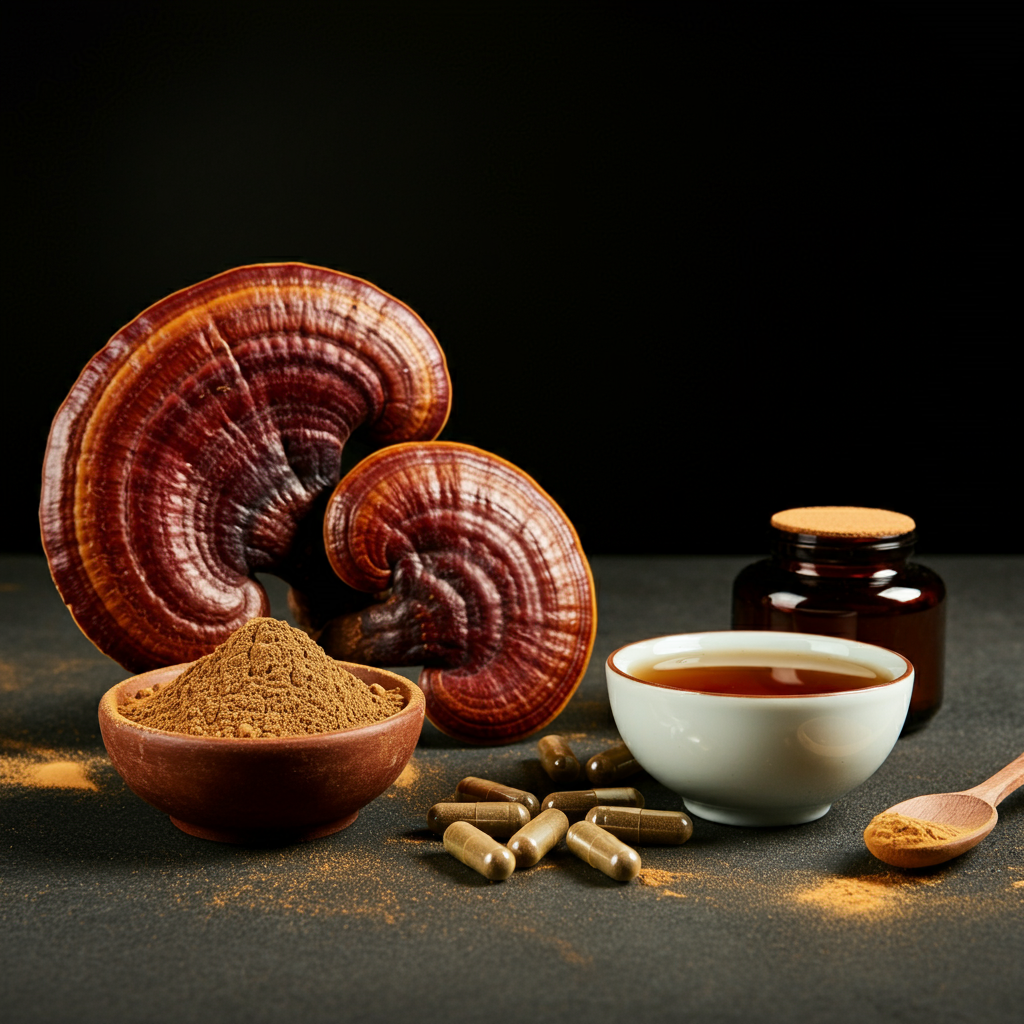
How to Choose a Good Mushroom Supplement
The only reliable way to know a supplement’s quality is to know the actual quantity of health-promoting compounds it contains. These bioactive compounds — primarily beta-glucans, triterpenes, and polysaccharides — are what have been shown by research to produce therapeutic effects.
Their levels vary enormously depending on the quality of the raw material and the production method used. This is why the best supplements are backed by analytical testing — lab-verified data showing exactly what’s in each serving.
Look for Beta-Glucan Content of 20–30% or Greater
Beta-glucans are among the most important therapeutic compounds in medicinal mushrooms. When browsing products, look for labels that clearly state the beta-glucan content, with levels of at least 20–30%. Not only do beta-glucans have well-documented therapeutic effects, they also serve as an indicator of overall extract quality. You can also request a Certificate of Analysis (COA) directly from brands — this should confirm bioactive compound content and also show testing for heavy metals and agrochemical residues.

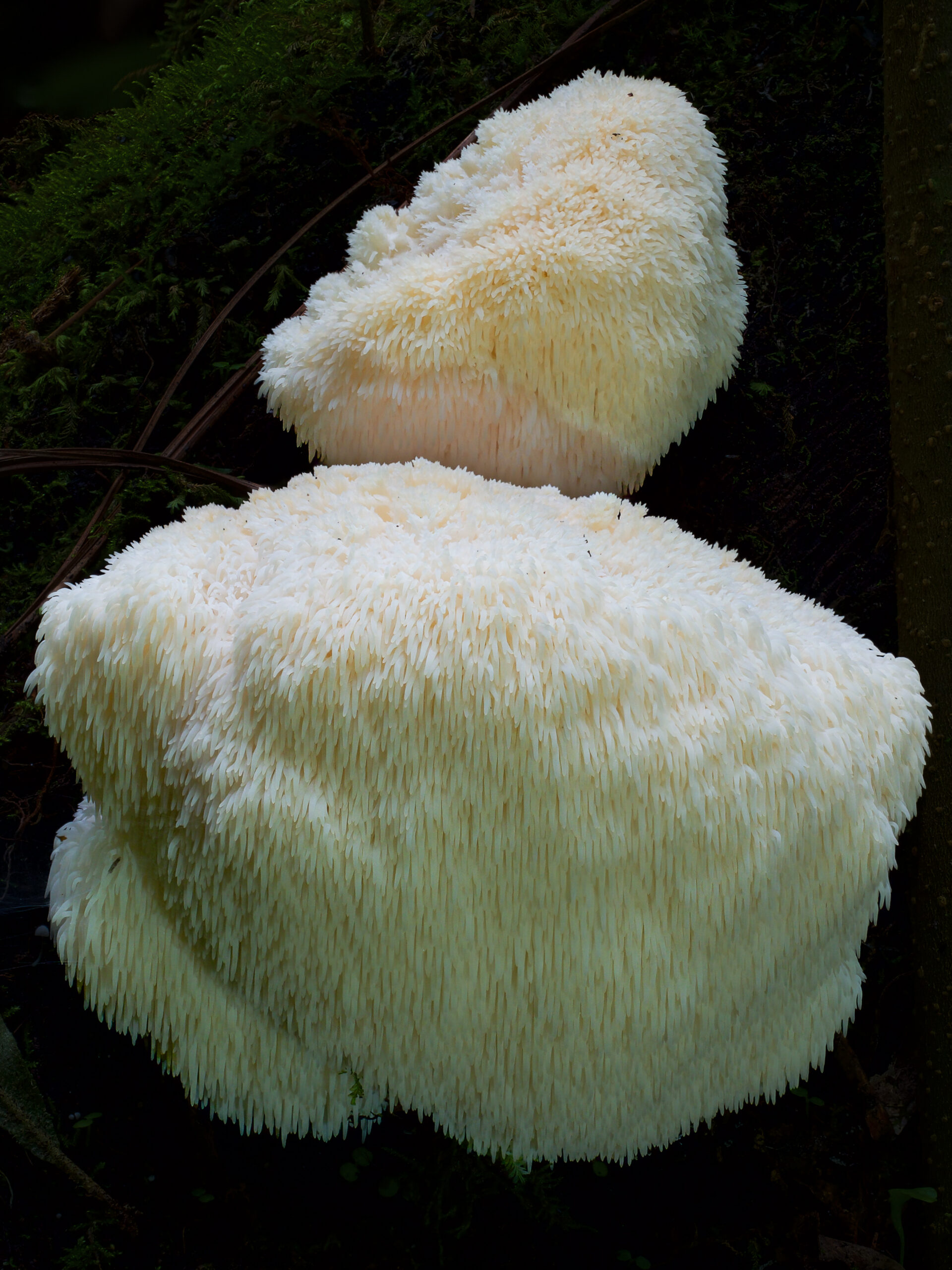
What to Look For — and What to Avoid
✅ Look For
- Certified Organic: Indicates cultivation quality and responsible sourcing practices.
- 100% Fruiting Bodies: The fruiting body contains the highest concentrations of bioactive compounds. This should be stated clearly on the label.
- No Grains or Fillers: The ingredient list should contain only the mushroom and any extraction solvents used — nothing else.
- Laboratory Analysis (COA): The brand should offer independently verified test results showing beta-glucan content and the absence of contaminants.
- Beta-glucan content ≥ 20–30%: Confirmed by third-party testing, not just claimed on the label.
- No unnecessary additives: No rice bran, oats, excipients, or binding agents.
🚫 Red Flags — Avoid Products That…
- Use terms like “Primordia,” “Full Spectrum,” or “Whole Mushroom” without specifying fruiting body
- List additional ingredients like rice bran, oats, or grain of any kind
- Make no mention of beta-glucan content
- Contain yeast or other foreign beta-glucan sources
- Cannot provide a Certificate of Analysis upon request
- Don’t specify whether fruiting body or mycelium is used
The quality debate isn’t as simple as “fruiting body good, mycelium bad.” Some products use liquid-grown mycelium derived from submerged fermentation — a legitimate, high-quality option found in a small number of specialized products. The real problem is myceliated grain: mycelium grown on and mixed with grain substrate. Mycelium products that don’t offer analytical testing should not be trusted. Learn more here.
Many small local producers don’t have the capital for third-party lab testing — that doesn’t necessarily mean their products are poor quality. If you prefer to buy locally, see our guide to artisanal mushroom products for how to evaluate them. You can also test products at home for starch fillers using iodine — a simple and effective quality check.
Recommended Mushroom Supplement Brands
The brands below have been independently vetted and meet our quality criteria — fruiting body sourcing, organic certification, and third-party analytical testing. We’ve also noted which countries each brand serves, since availability varies significantly by region.
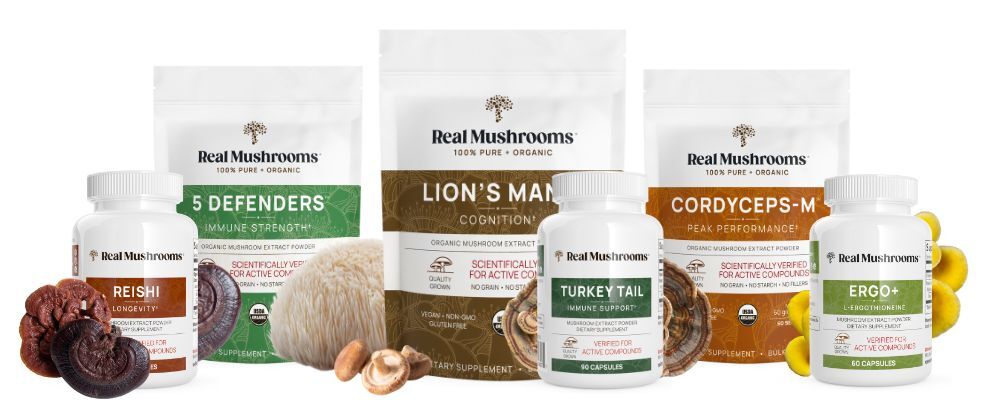
Real Mushrooms is one of the most trusted names in the industry — and for good reason. They are the direct-to-consumer outlet of NAMMEX (North American Mushroom Extracts), one of the largest bulk distributors of high-quality mushroom supplements in the world. Because they own the supply chain, they can offer premium quality at competitive prices. All products are made from 100% fruiting bodies, certified USDA Organic, and verified through rigorous analytical testing. They maintain close, transparent relationships with their growers and with the wider mushroom community.
Shop Real Mushrooms →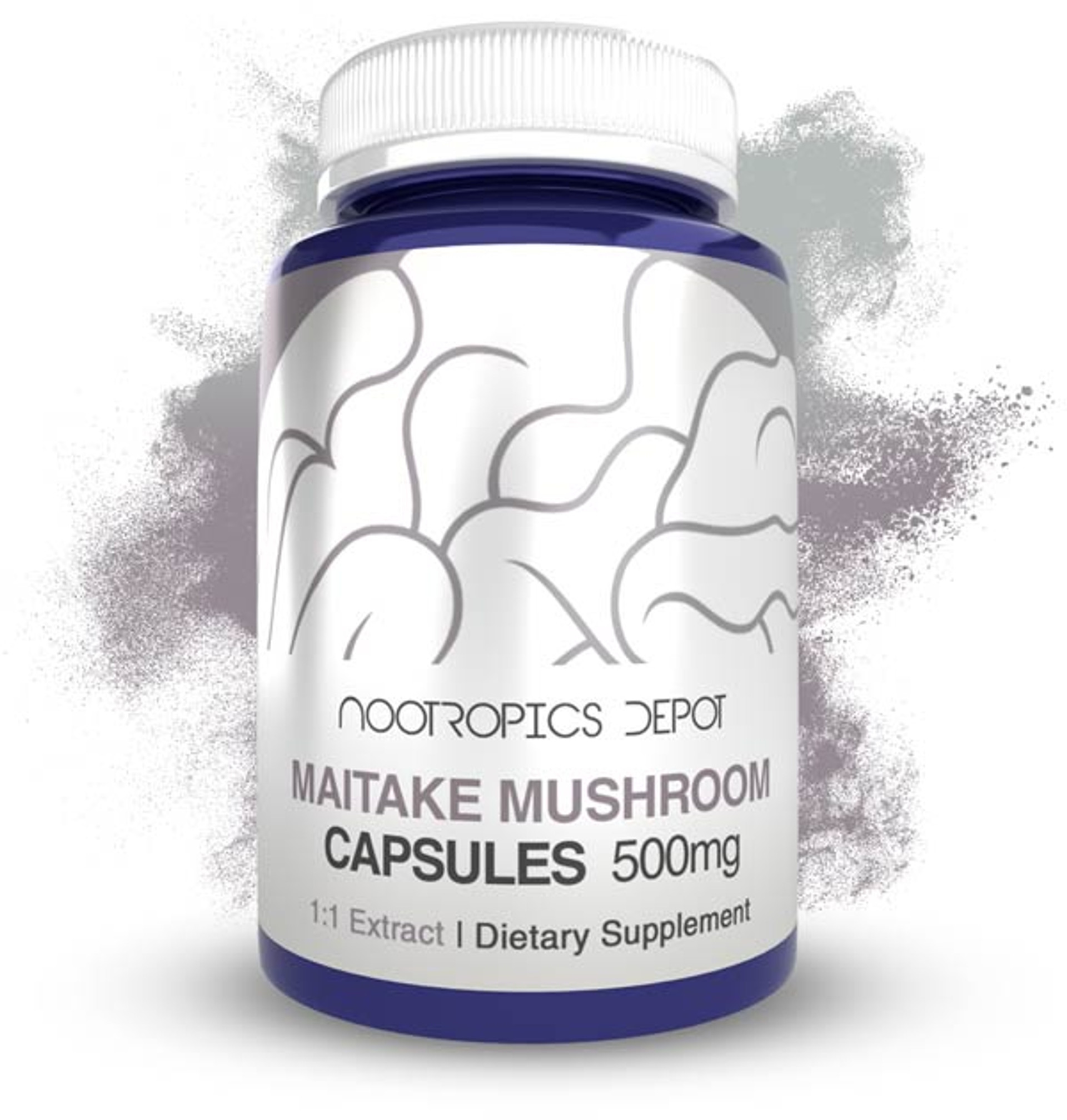
Nootropics Depot is one of the most rigorously transparent supplement companies in any category. They publish full analytical testing results for all products — not just beta-glucans, but a comprehensive breakdown of bioactive compounds. Beyond standard fruiting body extracts, they offer specialized high-potency formulations, including the Erinamax™ Lion’s Mane mycelium — the only commercially available product standardized for Erinacine A content, derived from submerged fermentation. A top choice for those seeking maximum potency and full transparency.
*Also offers high-quality mycelium-derived products from submerged fermentation.
Shop Nootropics Depot →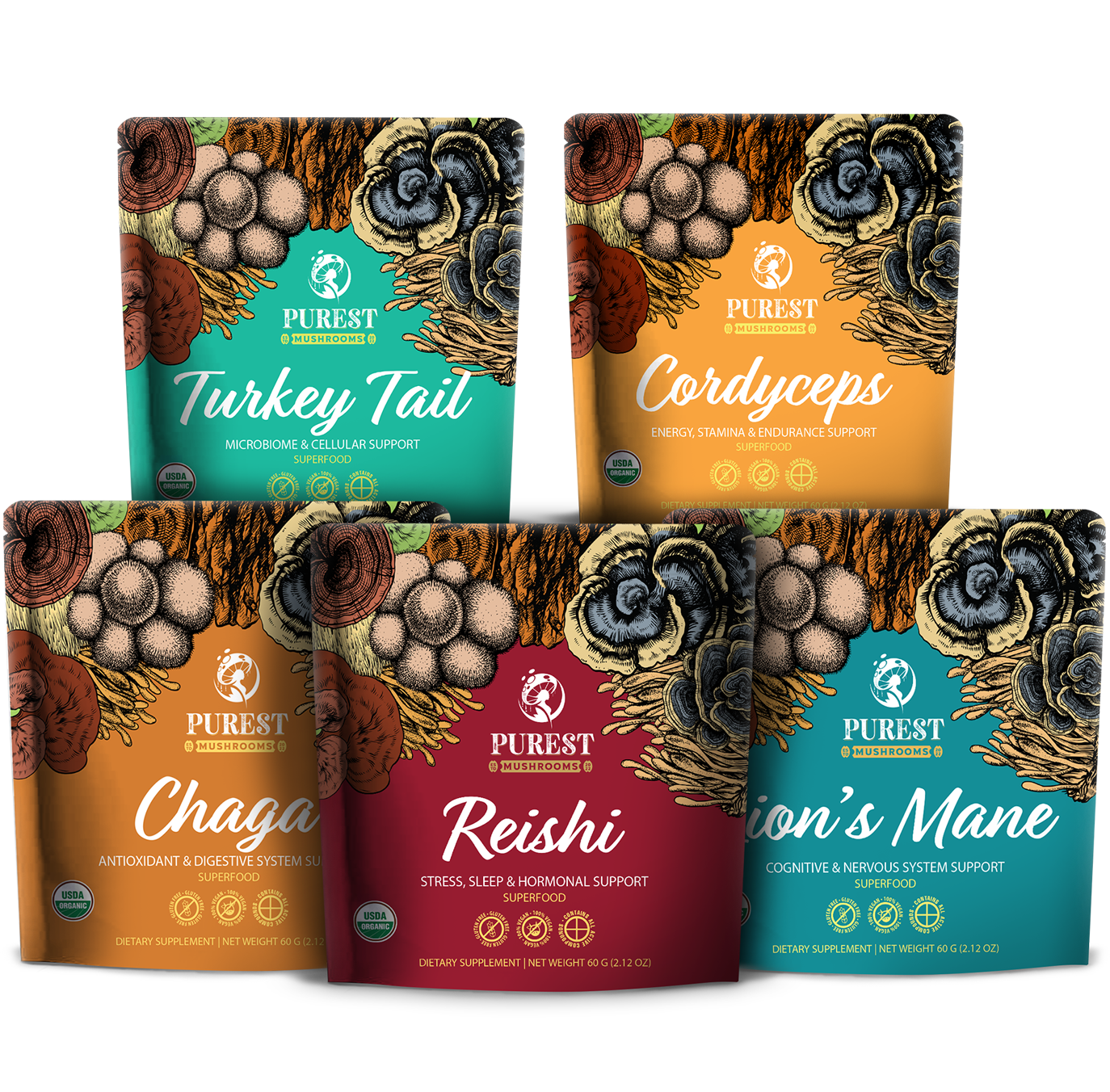
Purest Mushrooms is a newer brand that has quickly earned a strong reputation for quality and transparency. Their supplier partners directly with mushroom growers to source premium materials. All products are tested for bioactive compounds, and Certificates of Analysis are published directly on their website — one of the clearest signals of confidence in a brand’s quality. A competitive and trustworthy US option.
Shop Purest Mushrooms →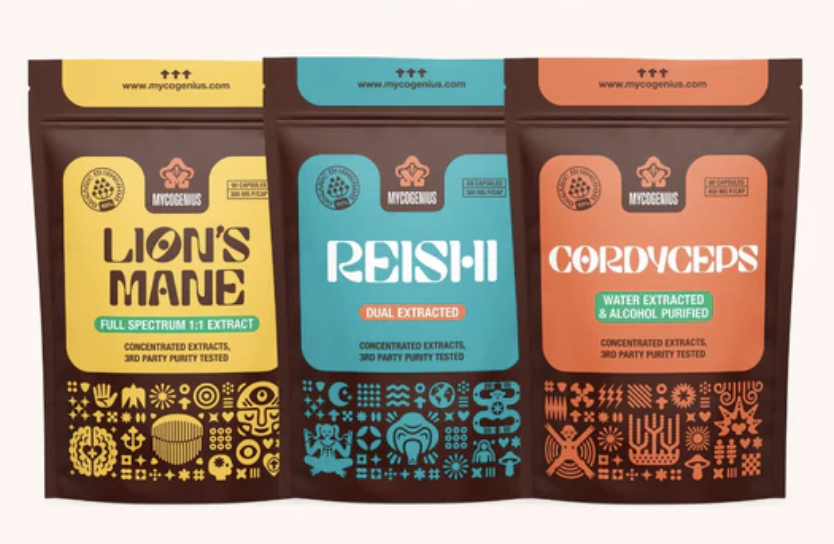
Mycogenius is the premier mushroom supplement brand for European customers. They have a proven commitment to quality — all products are tested in an ISO-accredited laboratory and verified for potency and bioactive compound levels. Test results are available on their website or upon request. If you’re in Europe and looking for the same standard of quality available from the best US brands, this is your go-to option.
Shop Mycogenius →
Antioxi is the top recommendation for customers in the United Kingdom. They provide published test results for all products — many of which show exceptionally high levels of bioactive compounds, comparing favourably with even the best US brands. While largely unknown outside the UK, Antioxi is consistently championed by the British medicinal mushroom community as the benchmark domestic option.
Shop Antioxi →
Dr. Noel’s is the most respected mushroom supplement brand in Australia. Dr. Noel is widely known and trusted within the Australian herbalist and naturopath community, and his products are regarded as being of exceptional quality. For Australian customers who want the same standard of product available from top US or European brands, this is the clear first choice. No need to pay international shipping — this is world-class quality, local.
Shop Dr. Noel’s →Brands to Avoid
The brands below do not meet our quality criteria. Each uses myceliated grain, lacks analytical testing, or both. They are listed here because they are widely sold and commonly asked about — so you know what to steer clear of.
A very popular and well-known brand that has played a role in raising awareness of medicinal mushrooms. Despite their popularity, products are produced using myceliated brown rice, and the company does not provide analytical testing for bioactive compounds. hostdefense.com
Commonly found in health food stores. OM utilizes myceliated oats rather than fruiting bodies. While they provide some beta-glucan analytics, this is likely plant-based beta-glucans from the oat substrate, not fungal bioactives. ommushrooms.com
Their mushroom powders provide no analytical testing and appear to be produced from myceliated milo grain. Cannot be recommended for anyone seeking therapeutic benefit. lairdsuperfood.com
Makes no statement regarding fruiting body use and provides no analytical testing. Likely produced from myceliated grain. microingredients.com
Offers some beta-glucan testing, but levels are low and products are made via fermented grain substrate rather than fruiting bodies. Not recommended for those seeking genuine therapeutic benefit. planetorganic.com
Utilizes myceliated grain and offers low-potency tinctures with no Certificate of Analysis mentioning bioactive compound content. lifecykel.com
No fruiting body specification, no analytical testing, and dosage recommendations are too low to be clinically meaningful. It is not clear whether the product is even properly extracted. swansonvitamins.com
Likely uses myceliated grain and does not provide analytical testing or data on bioactive compounds. Not to be confused with Mycogenius, the reputable European brand listed above. thegeniusbrand.com
If you’d like us to evaluate a specific brand not listed here, or feel a brand has been assessed unfairly, please reach out at mushroomclinicaltrials@gmail.com. We’ll review and update the guide as needed.
Ready to Explore the Science?
Browse our database of 250+ clinical trials on medicinal mushrooms — searchable by species, condition, and outcome. Or visit our Learn section for more guides like this one.
Explore the Clinical Trial Database →